
Grade 6 to 8
Grade 6 to 8
Where Curiosity Meets Capability and Leads to Mastery
Where Curiosity Meets Capability and Leads to Mastery
Middle Years Programme At Dreamtime Learning Online School (ages 11-13 years).
Middle Years Programme At Dreamtime Learning Online School (ages 11-13 years).
A Global Classroom from Your Living Room
A Global Classroom from Your Living Room
A Global Classroom from Your Living Room
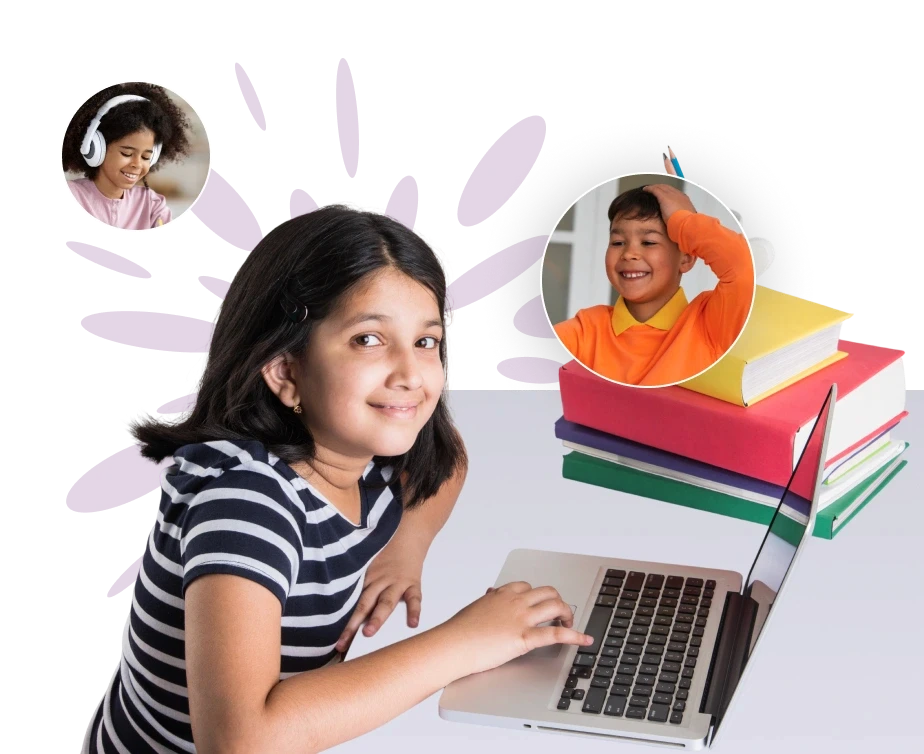
Why limit your learner’s perspective to their local environment when they can connect with the world? In our Middle School Programme, learners collaborate with peers from different countries and cultures, developing global empathy, cross-cultural communication skills, and a broader worldview.
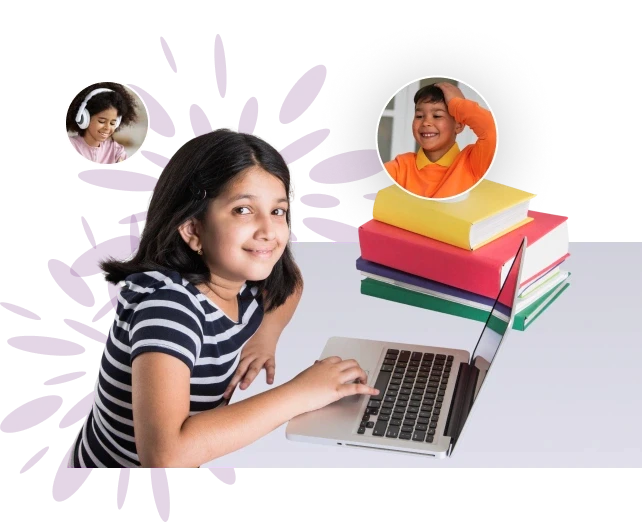
Why limit your learner’s perspective to their local environment when they can connect with the world? In our Middle School Programme, learners collaborate with peers from different countries and cultures, developing global empathy, cross-cultural communication skills, and a broader worldview.
Educating Minds for a Complex World
Educating Minds for a Complex World
We empower young minds to turn aspirations into reality, making them self-directed learners who can adapt and innovate in a constantly changing world.
We empower young minds to turn aspirations into reality, making them self-directed learners who can adapt and innovate in a constantly changing world.

An interdisciplinary curriculum that builds deep understanding and high school readiness.

Emphasis on critical thinking, communication, and mindful use of technology.

Cultivation of an entrepreneurial mindset and self-directed learning habits.
Decoding Influence, Mindsets, and Meaningful Expression
Decoding Influence, Mindsets, and Meaningful Expression
A sample illustrative lesson plan for middle years programmes.
Learners analyse powerful brands and media, uncovering how visuals, words, and storytelling influence perception.
They reflect on mindset and self-belief, learning to reframe thoughts and build emotional resilience.
The journey culminates in creating purposeful messages and campaigns, blending critical thinking, creativity, and real-world communication.
Our learning moves through four stages...
Our learning moves through four stages...
Hook
Hook
Absorb
Absorb
Interact
Interact
Create
Create
Shaping Future-
Ready Minds
Shaping Future-
Ready Minds
Novel Writing & Book Launch
Grade 6 learners write and publish original novels through the annual Book Launch, including drafting, editing, and digital publishing. This develops writing skills, creativity, perseverance, and pride in authorship.
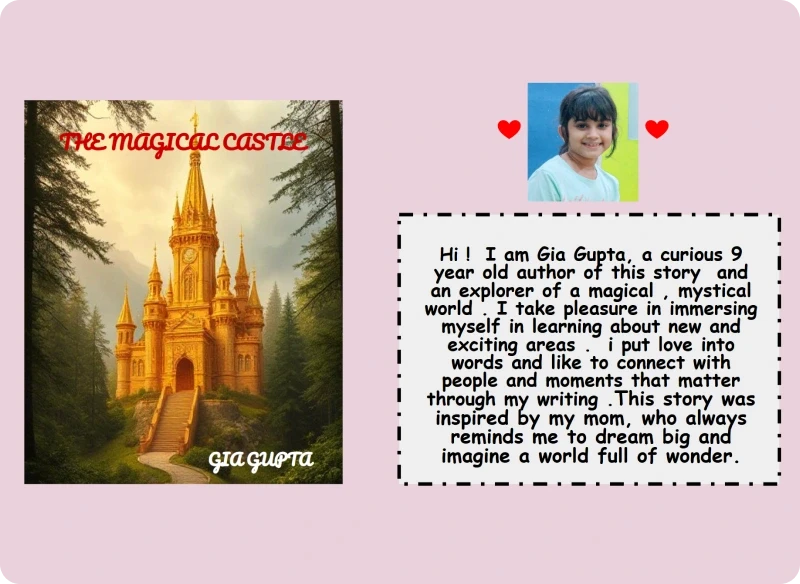
Novel Writing & Book Launch
Grade 6 learners write and publish original novels through the annual Book Launch, including drafting, editing, and digital publishing. This develops writing skills, creativity, perseverance, and pride in authorship.
Practice & Expansion
Learners reinforce concepts through regular practice and extend their learning with challenges, projects, and independent exploration. This approach deepens understanding, builds confidence, and encourages curiosity beyond the classroom.
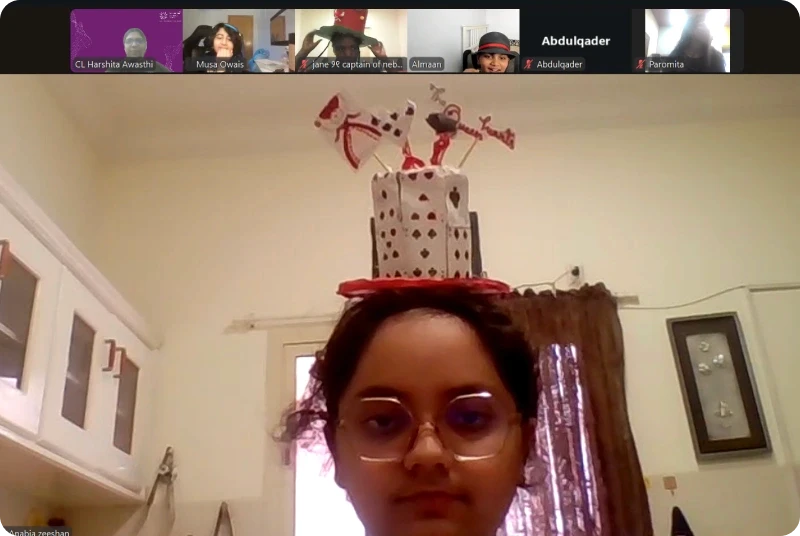
Practice & Expansion
Learners reinforce concepts through regular practice and extend their learning with challenges, projects, and independent exploration. This approach deepens understanding, builds confidence, and encourages curiosity beyond the classroom.
Digital Portfolios & Learner-Driven Symposium
Learners curate their growth journeys and present achievements to parents and peers, showcasing ownership of their learning during LDS sessions.
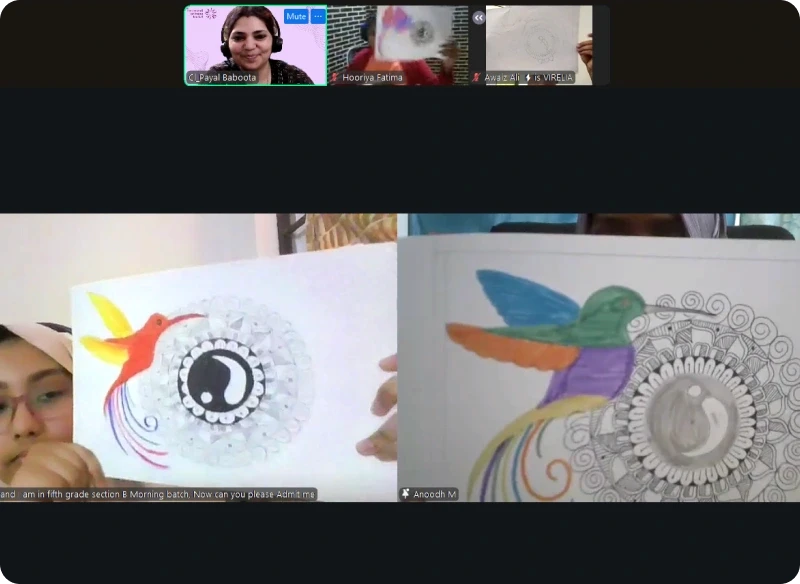
Digital Portfolios & Learner-Driven Symposium
Learners curate their growth journeys and present achievements to parents and peers, showcasing ownership of their learning during LDS sessions.
Everyday Practice and Learning (EPL) & Service Projects
Learning meets empathy as learners design and lead service projects, creating real impact in their communities.
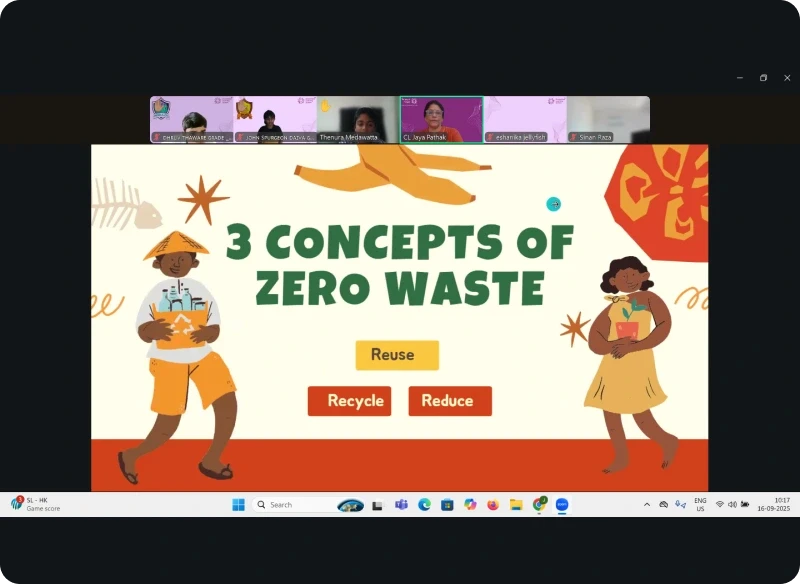
Everyday Practice and Learning (EPL) & Service Projects
Learning meets empathy as learners design and lead service projects, creating real impact in their communities.
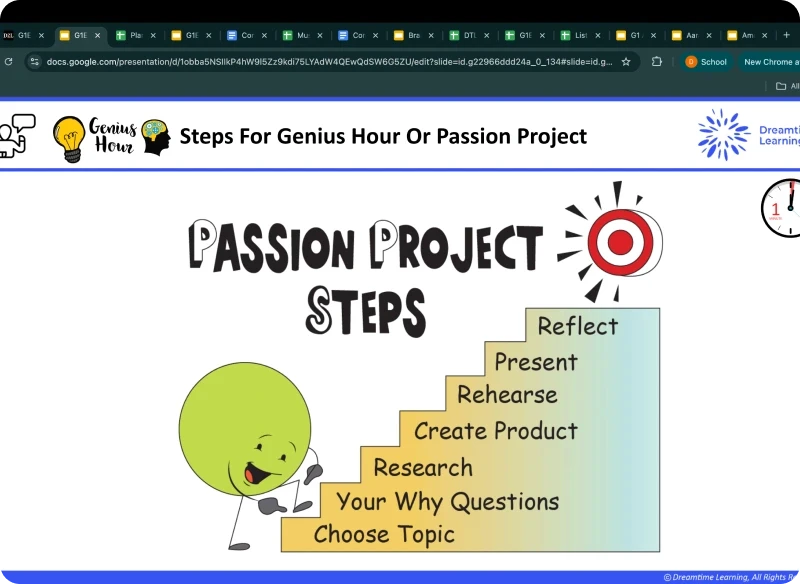
Problem and Project-Based Learning (PBL), Independent Learning Work (ILW) & Genius Hour
We replace rote learning with Project-Based Learning and Genius Hours, where learners explore their passions and apply knowledge in meaningful ways.
Problem and Project-Based Learning (PBL), Independent Learning Work (ILW) & Genius Hour
We replace rote learning with Project-Based Learning and Genius Hours, where learners explore their passions and apply knowledge in meaningful ways.
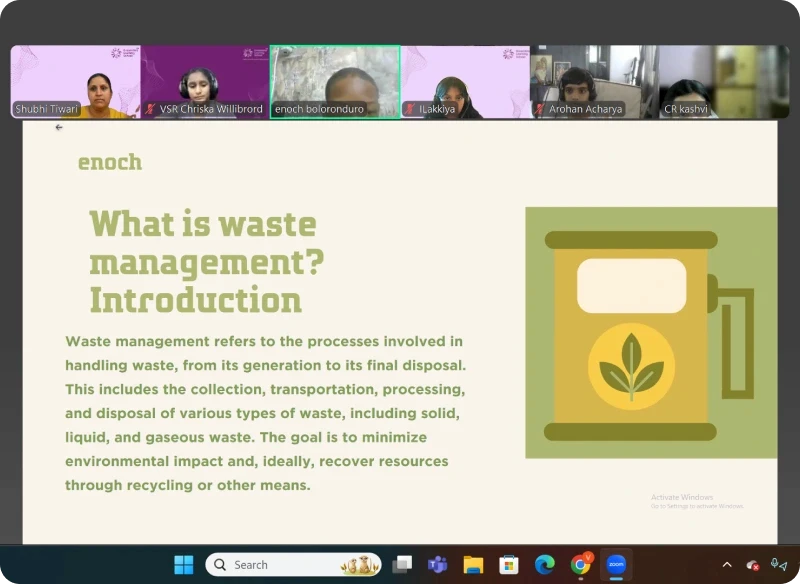
From Personal Vision to Global Impact
Learners start with personal goal-setting, then expand to larger societal and environmental challenges. They learn to apply knowledge creatively, see cross-disciplinary connections, and experience how their ideas can make a real difference.
From Personal Vision to Global Impact
Learners start with personal goal-setting, then expand to larger societal and environmental challenges. They learn to apply knowledge creatively, see cross-disciplinary connections, and experience how their ideas can make a real difference.
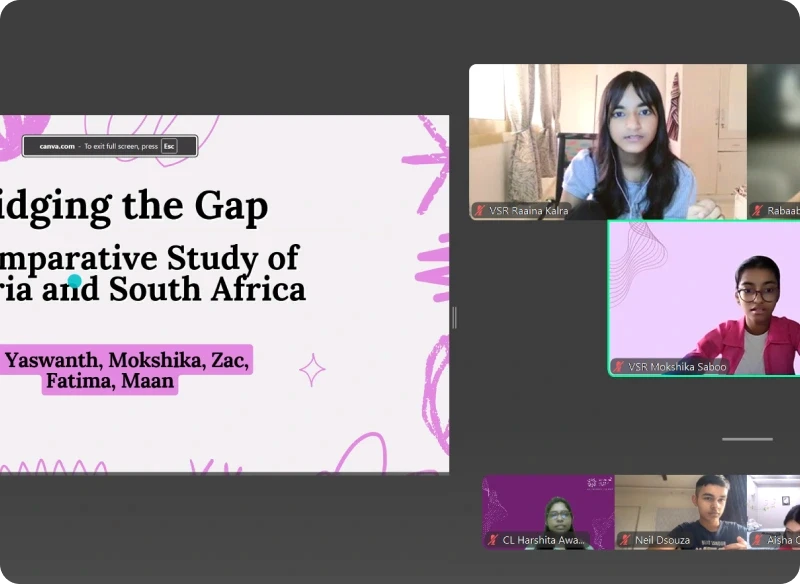
Curiosity Drives Learning
Teenagers develop scientific curiosity, analytical thinking, and a drive to ask “why?” and “how?”. They are encouraged to question, investigate, and explore the world with a sense of wonder.
Curiosity Drives Learning
Teenagers develop scientific curiosity, analytical thinking, and a drive to ask “why?” and “how?”. They are encouraged to question, investigate, and explore the world with a sense of wonder.
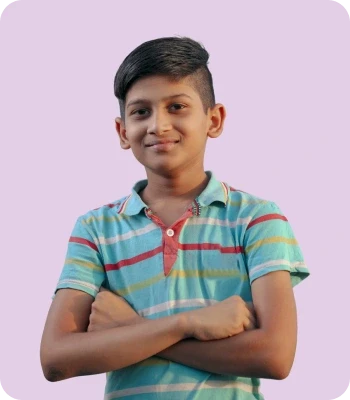
Subjects Covered
Subjects Covered
Grade 6 to 8
English, Mathematics, Science, Global Perspectives, Computing.
Grade 6 to 8
English, Mathematics, Science, Global Perspectives, Computing.

Level-wise Hindi
Hindi is taught by proficiency level, not age. Learners build listening, speaking, reading, and writing skills through interactive activities. This builds confidence, fluency, and comfort with the language.
Level-wise Hindi
Hindi is taught by proficiency level, not age. Learners build listening, speaking, reading, and writing skills through interactive activities. This builds confidence, fluency, and comfort with the language.

Western Vocal Training
Learners receive structured training in Western vocals, developing artistic skills beyond academics while offering a meaningful space to unwind, express, and build confidence.
Western Vocal Training
Learners receive structured training in Western vocals, developing artistic skills beyond academics while offering a meaningful space to unwind, express, and build confidence.
Art & Design Sessions
Through diverse genres and mediums, learners explore art and design, gaining broader creative perspectives. These sessions ignite imagination, nurture originality, and provide a powerful medium for emotional expression.
Art & Design Sessions
Through diverse genres and mediums, learners explore art and design, gaining broader creative perspectives. These sessions ignite imagination, nurture originality, and provide a powerful medium for emotional expression.

Counselling Sessions
Structured counselling sessions support learners through academic, social, and emotional changes. Learners reflect on goals, manage stress, build self-awareness, and develop healthy decision-making skills needed during adolescence.
Counselling Sessions
Structured counselling sessions support learners through academic, social, and emotional changes. Learners reflect on goals, manage stress, build self-awareness, and develop healthy decision-making skills needed during adolescence.
What Learners Unlock Through Dreamtime Learning School’s Middle Years Programme
What Learners Unlock Through Dreamtime Learning School’s Middle Years Programme

Collaborative Fluency
Learners cultivate the ability to collaborate with intention, articulate ideas with clarity, and pose purposeful questions.
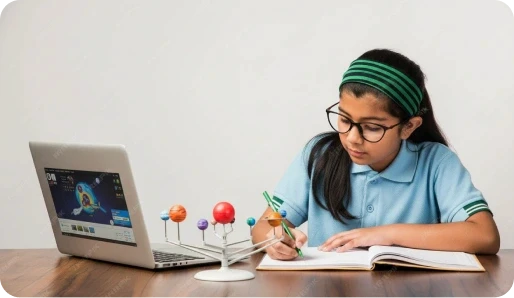
Analytical Reasoning & Solution Design
Strong emphasis on critical analysis and solution-driven problem solving grounded in real-world contexts.
Sustainability of Thought
Learners collaborate, discuss, role-play, and problem-solve together. Social learning and feedback accelerate thinking.

Intentional Academic Pathways
Purpose-driven learning structures carve clear, strategic pathways toward higher grades and academic progression.
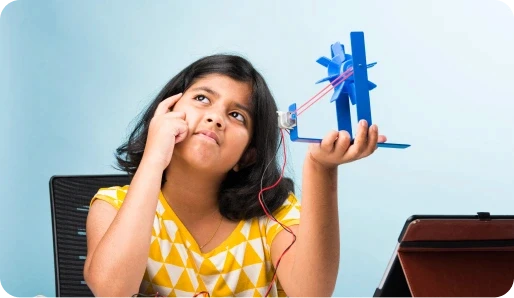
Reflective Growth & Self-Mastery
Learners engage in thoughtful reflection to identify strengths and address gaps, fostering resilience, confidence, and continuous improvement.
Intentional Academic Pathways
Purpose-driven learning structures carve clear, strategic pathways toward higher grades and academic progression.
Reflective Growth & Self-Mastery
Learners engage in thoughtful reflection to identify strengths and address gaps, fostering resilience, confidence, and continuous improvement.
Programme Structure
Programme Structure
Programme Structure
In Middle School, learning becomes increasingly analytical and intentional, supporting learners to question ideas, connect disciplines, and apply understanding to real-world contexts.
In Middle School, learning becomes increasingly analytical and intentional, supporting learners to question ideas, connect disciplines, and apply understanding to real-world contexts.

English
Learners analyse texts, interpret themes, develop voice, construct arguments, and communicate ideas clearly through reading, writing, discussion, and reflection.
English
Learners analyse texts, interpret themes, develop voice, construct arguments, and communicate ideas clearly through reading, writing, discussion, and reflection.
English
Learners analyse texts, interpret themes, develop voice, construct arguments, and communicate ideas clearly through reading, writing, discussion, and reflection.

Mathematics
Learners engage with abstract mathematical concepts through modelling, logical reasoning, data analysis, and problem solving across real and simulated contexts.
Mathematics
Learners engage with abstract mathematical concepts through modelling, logical reasoning, data analysis, and problem solving across real and simulated contexts.
Mathematics
Learners engage with abstract mathematical concepts through modelling, logical reasoning, data analysis, and problem solving across real and simulated contexts.

Science
Learners integrate biology, chemistry, physics, and environmental science to investigate systems, test hypotheses, analyse evidence, and explain phenomena.
Science
Learners integrate biology, chemistry, physics, and environmental science to investigate systems, test hypotheses, analyse evidence, and explain phenomena.
Science
Learners integrate biology, chemistry, physics, and environmental science to investigate systems, test hypotheses, analyse evidence, and explain phenomena.

Global Perspectives
Learners examine global issues through multiple viewpoints, ethical reasoning, sustainability, civic responsibility, and intercultural understanding.
Global Perspectives
Learners examine global issues through multiple viewpoints, ethical reasoning, sustainability, civic responsibility, and intercultural understanding.
Global Perspectives
Learners examine global issues through multiple viewpoints, ethical reasoning, sustainability, civic responsibility, and intercultural understanding.

Computing
Learners develop digital literacy by designing, coding, evaluating solutions, analysing information, and using technology responsibly and creatively.
Computing
Learners develop digital literacy by designing, coding, evaluating solutions, analysing information, and using technology responsibly and creatively.
Computing
Learners develop digital literacy by designing, coding, evaluating solutions, analysing information, and using technology responsibly and creatively.

Variable
Music and Movement, Art and Design, counselling sessions, and technology support creativity, confidence, coordination, and cognitive growth.
Variable
Music and Movement, Art and Design, counselling sessions, and technology support creativity, confidence, coordination, and cognitive growth.
Variable
Music and Movement, Art and Design, counselling sessions, and technology support creativity, confidence, coordination, and cognitive growth.
Hear from the Courageous Parents Who Chose Dreamtime Learning Online School
Families share how Dreamtime Learning School has changed the way their children grow, learn, and thrive.



Hear from the Courageous Parents Who Chose Dreamtime Learning Online School
Families share how Dreamtime Learning School has changed the way their children grow, learn, and thrive.
Ready to start your journey at Dreamtime Online?
Ready to start your journey at Dreamtime Online?
Ready to start your journey at Dreamtime Online?
01
What age group is the middle school programme for?
Our middle school programme is designed for learners aged 10–13 ( Grades 6–8). It’s built around the cognitive, social, and emotional needs of early adolescents, with an interdisciplinary, capacity‑based approach that prepares them for future academics and life.
02
How does Dreamtime Learning School make online learning engaging for middle schoolers?
We design interactive, discussion‑based sessions using real‑world case studies, debates, projects, and creative expression. Learners are active participants, so they stay curious, focused, and deeply involved in their learning journey.
03
How much screen time do learners have each day?
Sessions are intentionally structured and focused (typically 4–5 hours per day), with clear breaks and offline time for practical learning, excursions, and family moments. We balance online learning with hands‑on exploration, movement, and reflection so screen time feels purposeful, not overwhelming.
04
How does Dreamtime Learning School support social and emotional development online?
Through small groups, live discussions, collaborative projects, mindfulness, and SEL integrated routines, learners develop self‑awareness, empathy, and relationship skills. They also build resilience, leadership, and a positive identity in a safe, inclusive virtual space.
05
What role do parents play in the middle school programme?
Parents are learning partners. We provide clear routines, simple at‑home activities, and regular updates so families can support learning, reinforce concepts, and celebrate progress together. This partnership builds consistency and confidence, which directly supports long‑term academic and personal success.
06
How does the programme prepare learners for future careers and real‑world impact?
Our interdisciplinary, real‑world approach helps learners develop critical thinking, creativity, communication, and collaboration - the core skills employers and universities value. Through projects, debates, passion projects, they learn to solve problems, lead with empathy, and make a positive impact, building a strong foundation for future careers and meaningful lives.
01
What age group is the middle school programme for?
Our middle school programme is designed for learners aged 10–13 ( Grades 6–8). It’s built around the cognitive, social, and emotional needs of early adolescents, with an interdisciplinary, capacity‑based approach that prepares them for future academics and life.
02
How does Dreamtime Learning School make online learning engaging for middle schoolers?
We design interactive, discussion‑based sessions using real‑world case studies, debates, projects, and creative expression. Learners are active participants, so they stay curious, focused, and deeply involved in their learning journey.
03
How much screen time do learners have each day?
Sessions are intentionally structured and focused (typically 4–5 hours per day), with clear breaks and offline time for practical learning, excursions, and family moments. We balance online learning with hands‑on exploration, movement, and reflection so screen time feels purposeful, not overwhelming.
04
How does Dreamtime Learning School support social and emotional development online?
Through small groups, live discussions, collaborative projects, mindfulness, and SEL integrated routines, learners develop self‑awareness, empathy, and relationship skills. They also build resilience, leadership, and a positive identity in a safe, inclusive virtual space.
05
What role do parents play in the middle school programme?
Parents are learning partners. We provide clear routines, simple at‑home activities, and regular updates so families can support learning, reinforce concepts, and celebrate progress together. This partnership builds consistency and confidence, which directly supports long‑term academic and personal success.
06
How does the programme prepare learners for future careers and real‑world impact?
Our interdisciplinary, real‑world approach helps learners develop critical thinking, creativity, communication, and collaboration - the core skills employers and universities value. Through projects, debates, passion projects, they learn to solve problems, lead with empathy, and make a positive impact, building a strong foundation for future careers and meaningful lives.



© 2026 Dreamtime Learning School. All rights reserved.




© 2026 Dreamtime Learning School. All rights reserved.