
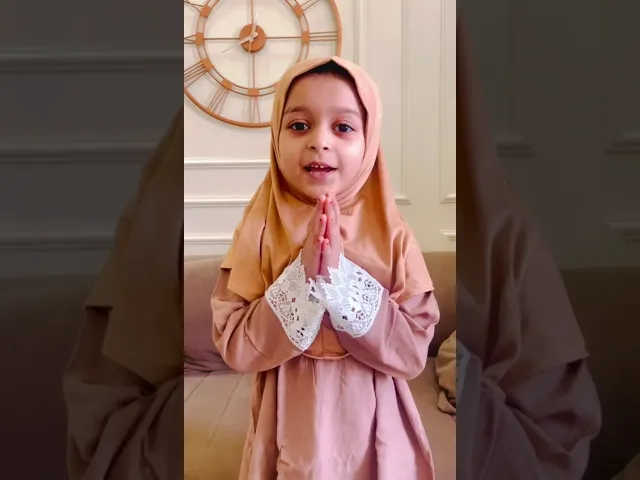

Nursery to Foundational Year 2 (Sr. KG)
Nursery to Foundational Year 2 (Sr. KG)
Sparking Curiosity
Sparking Curiosity
Pre-Primary Years at Dreamtime Learning School (ages 3-5 years)
Pre-Primary Years at Dreamtime Learning School (ages 3-5 years)


Watch your child thrive through play-based learning. Your child explores, creates, and asks questions daily, building thinking skills, confidence, and curiosity that support a strong foundation for lifelong learning.
Watch your child thrive through play-based learning. Your child explores, creates, and asks questions daily, building thinking skills, confidence, and curiosity that support a strong foundation for lifelong learning.
Watch your child thrive through play-based learning. Your child explores, creates, and asks questions daily, building thinking skills, confidence, and curiosity that support a strong foundation for lifelong learning.
Igniting Confident Exploration
Igniting Confident Exploration

A joyful digital space where your child learns through play
A joyful digital space where your child learns through play

Storytelling, art, games, and early academics that build thinking skills
Storytelling, art, games, and early academics that build thinking skills

Activities that support emotional growth, sharing, and listening
Activities that support emotional growth, sharing, and listening

Daily practice in imagination, independence, and self-awareness
Daily practice in imagination, independence, and self-awareness

Strong foundations for reading, writing, and numeracy from early years
Strong foundations for reading, writing, and numeracy from early years
Integrated Learning Through Exploration and Expression
Integrated Learning Through Exploration and Expression
A sample illustrative lesson plan for pre-primary programmes.
Learners build self-awareness and curiosity through play, movement, and inquiry-led experiences.
Concepts come alive through marine exploration, blending science, language, and numeracy in meaningful contexts.
The journey culminates in confident expression through reading, writing, and real-world problem-solving.
Our learning moves through four stages...
Hook
Hook
Absorb
Absorb
Interact
Interact
Create
Create
Emotional Safety. Confident Minds. Deeper Learning.
Emotional Safety. Confident Minds. Deeper Learning.
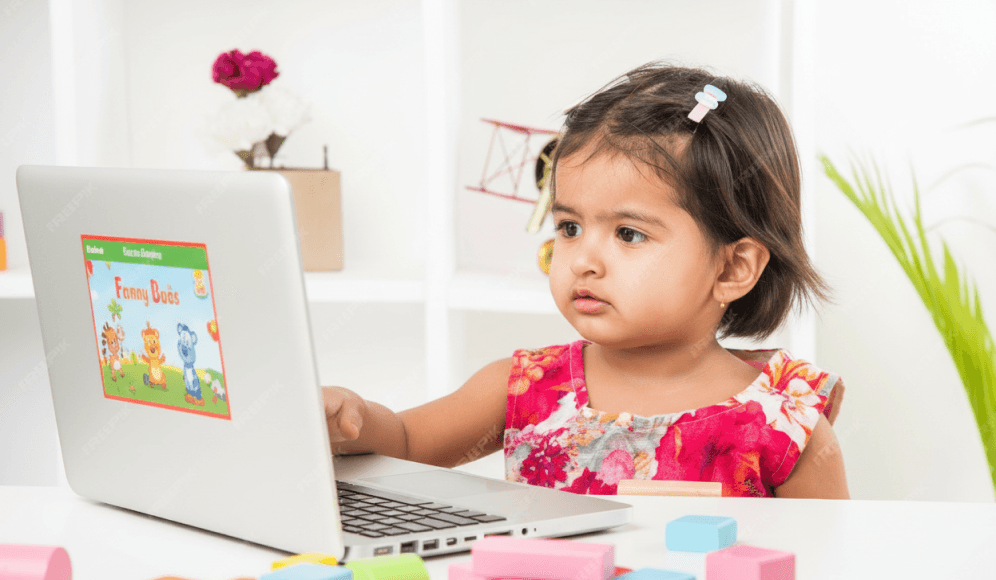
Play-Based Learning Approach
Play-based learning through multi-sensory activities that strengthen neural links, build thinking skills, and spark curiosity. Your child learns concepts through movement, sound, stories, and hands-on play.
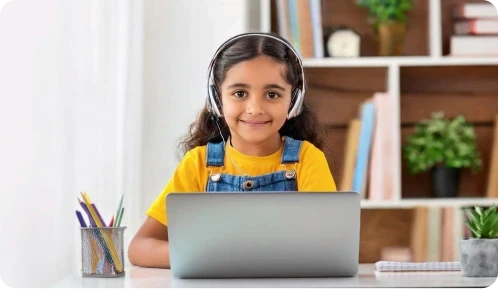
Passionate, Neuro-Inspired Educators
Skilled, neuro-informed educators who engage your child daily. Educators design age-appropriate activities that keep attention high and support cognitive, social, and emotional growth.
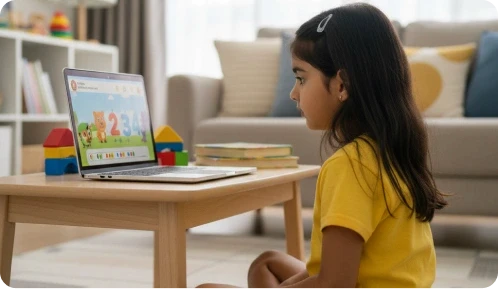
Globally Aligned Neuroscience Curriculum
A globally aligned neuroscience curriculum linked to NCF, IB, CBSE, and EYFS. Learning follows the Absorb, Interact, Create stages and includes early eco awareness.
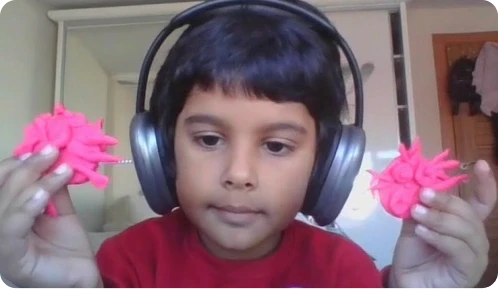
Enrichment Days
Creative days that help your child explore ideas beyond the curriculum through hands-on learning and guided discovery.
What Budding Minds Unlock Through
Dreamtime Learning School
What Budding Minds Unlock Through
Dreamtime Learning School
Here’s how children establish a lifelong love for learning.
Here’s how children establish a lifelong love for learning.
Independent Learning Work (ILW)
Weekly practice that helps your child revise concepts, build focus, and grow independent learning habits.
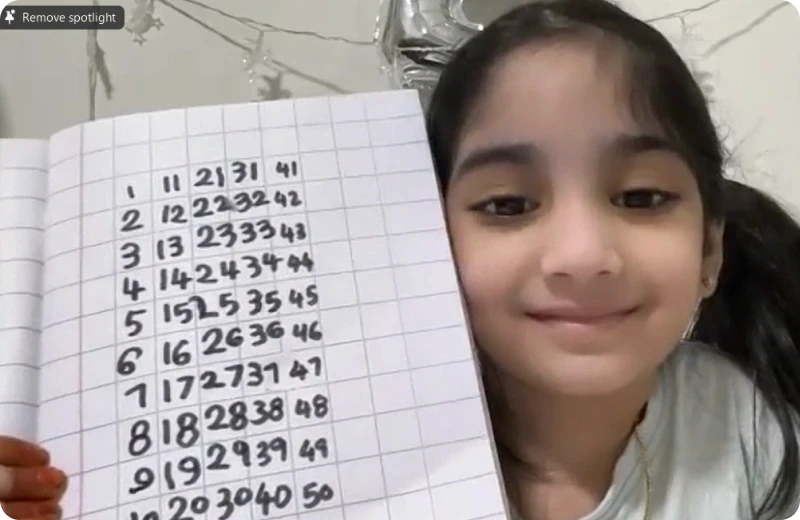
Independent Learning Work (ILW)
Weekly practice that helps your child revise concepts, build focus, and grow independent learning habits.
Thinking and Expressing Creatives
Creative expression blends imagination with clear thinking, helping your child share ideas with confidence.
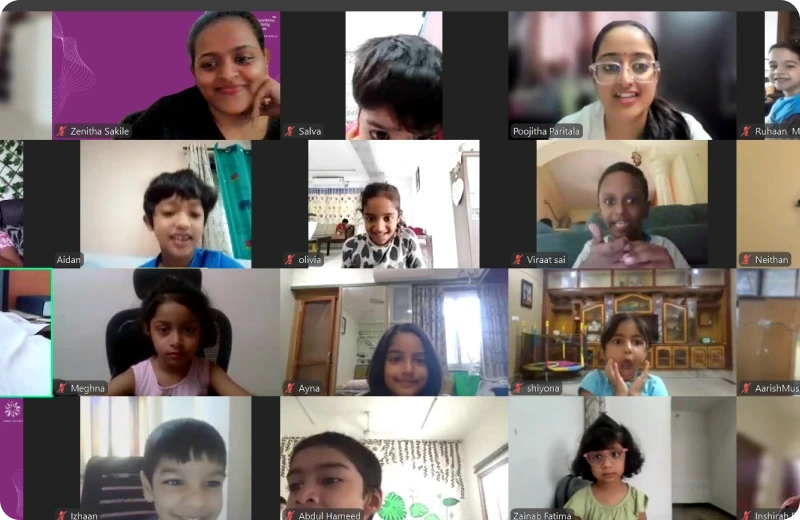
Thinking and Expressing Creatives
Creative expression blends imagination with clear thinking, helping your child share ideas with confidence.
Problem-solving Skills
Daily problem-solving fosters resilience and independent thinking in a safe and supportive environment.
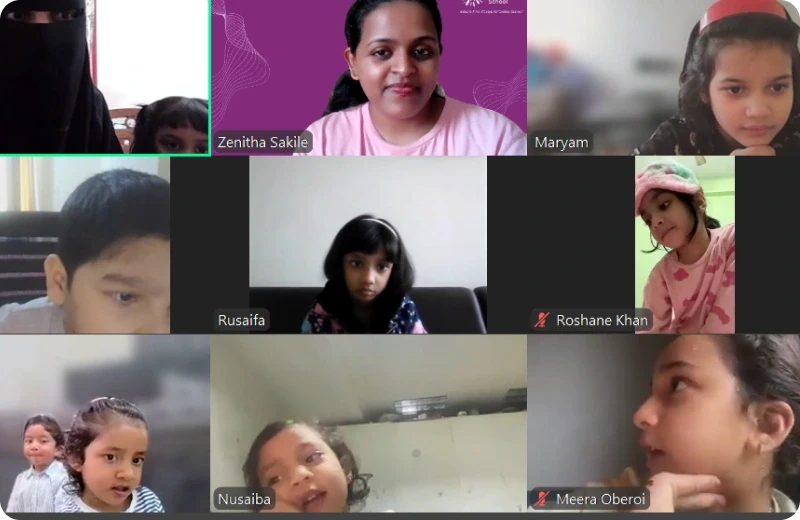
Problem-solving Skills
Daily problem-solving fosters resilience and independent thinking in a safe and supportive environment.
Connecting to the World
Global online interactions allow children to connect with peers from diverse cultures, developing empathy, cultural awareness, and a sense of inclusivity while learning in an engaging virtual classroom.
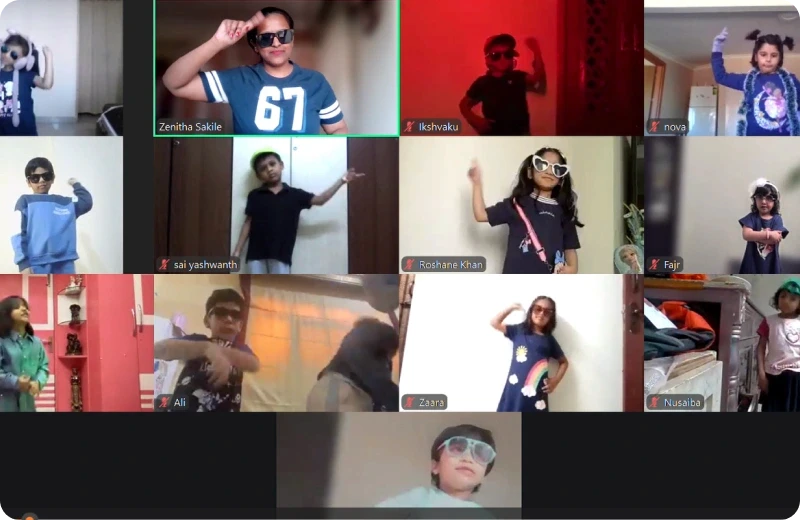
Connecting to the World
Global online interactions allow children to connect with peers from diverse cultures, developing empathy, cultural awareness, and a sense of inclusivity while learning in an engaging virtual classroom.
Inquiry and Discovery
Hands-on projects and engaging sessions encourage children to explore ideas, see connections, and apply what they learn to real-world situations, sparking curiosity and a passion for discovery.
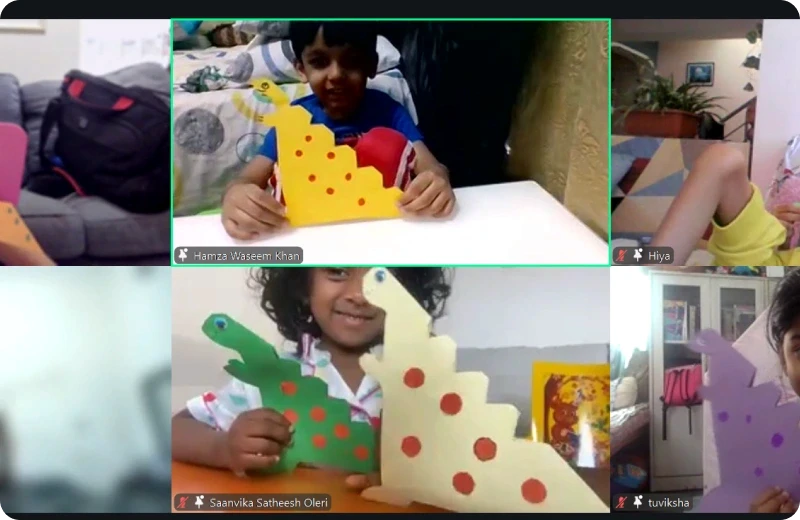
Inquiry and Discovery
Hands-on projects and engaging sessions encourage children to explore ideas, see connections, and apply what they learn to real-world situations, sparking curiosity and a passion for discovery.
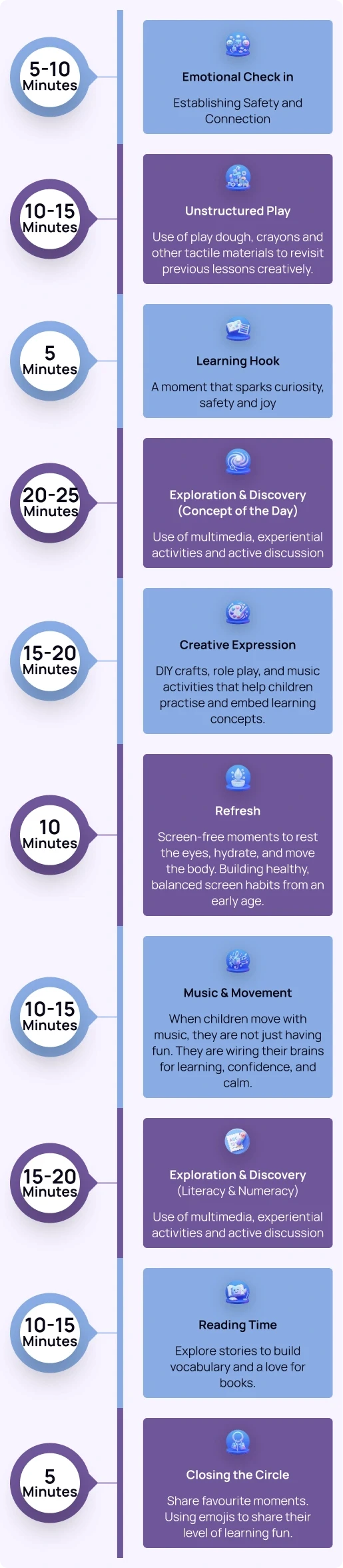
Programme Structure
In preprimary, your child explores language, maths, and science through play, using an integrated approach that builds understanding, curiosity, and confidence from the beginning. Our daily routine blends focused learning, creative expression, play, and movement in engaging online sessions.
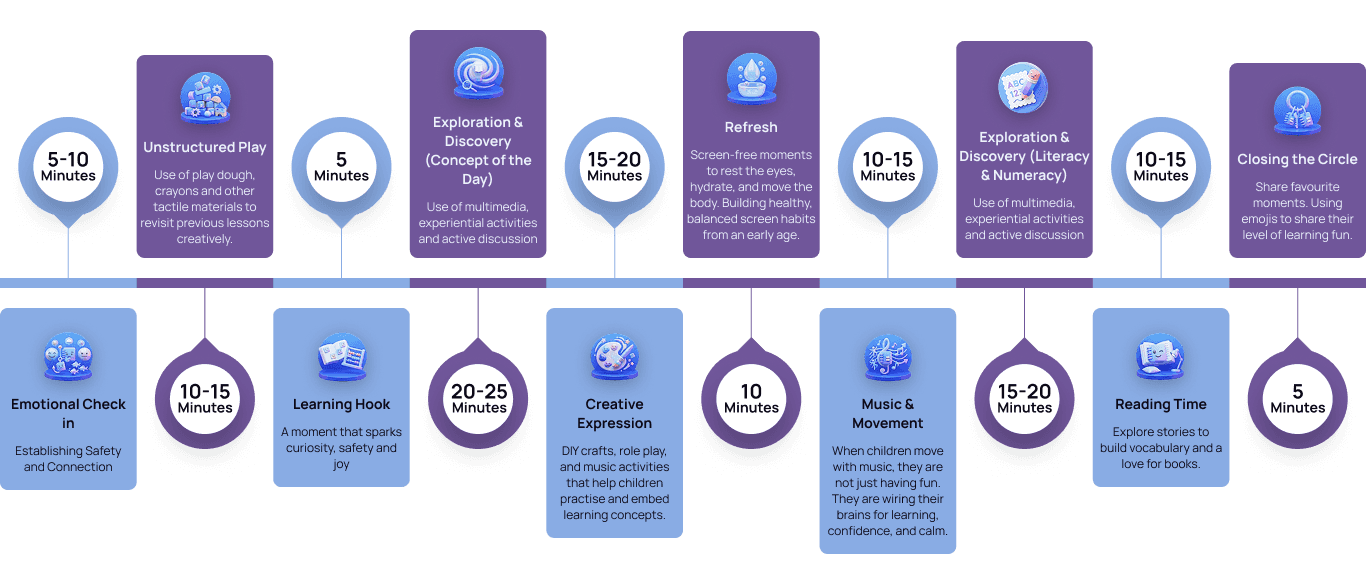
Programme Structure
In preprimary, your child explores language, maths, and science through play, using an integrated approach that builds understanding, curiosity, and confidence from the beginning. Our daily routine blends focused learning, creative expression, play, and movement in engaging online sessions.
Discover what makes online learning different at Dreamtime Learning
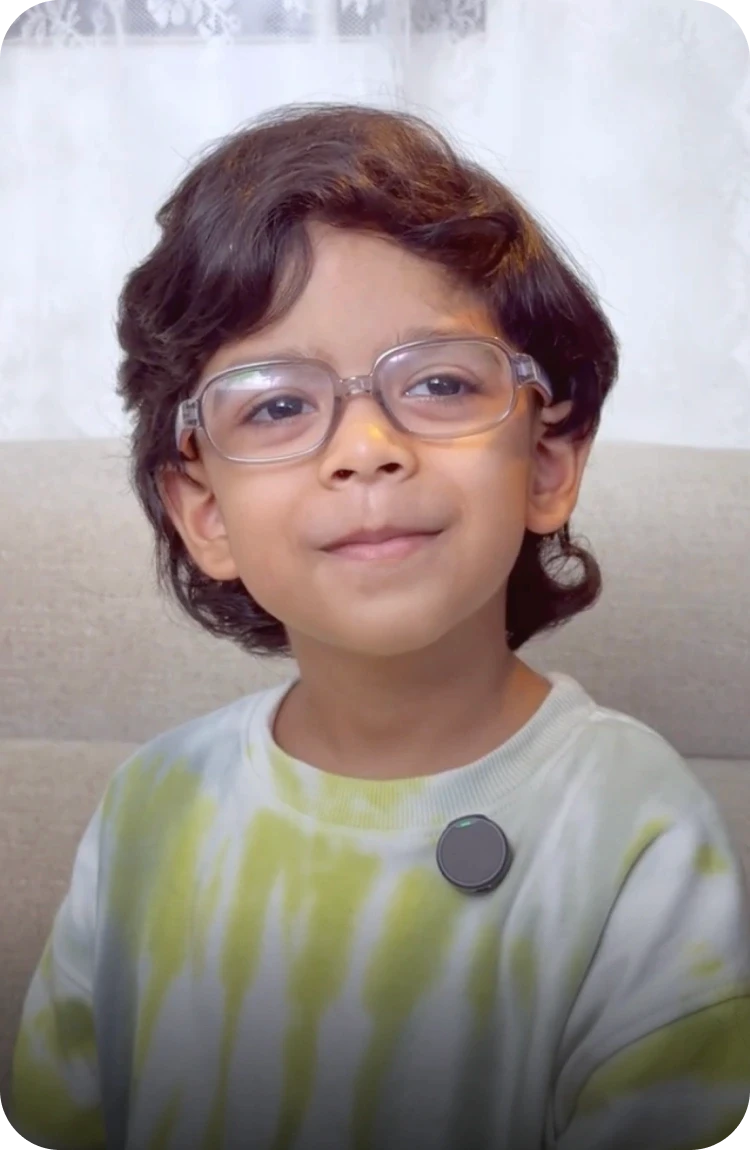
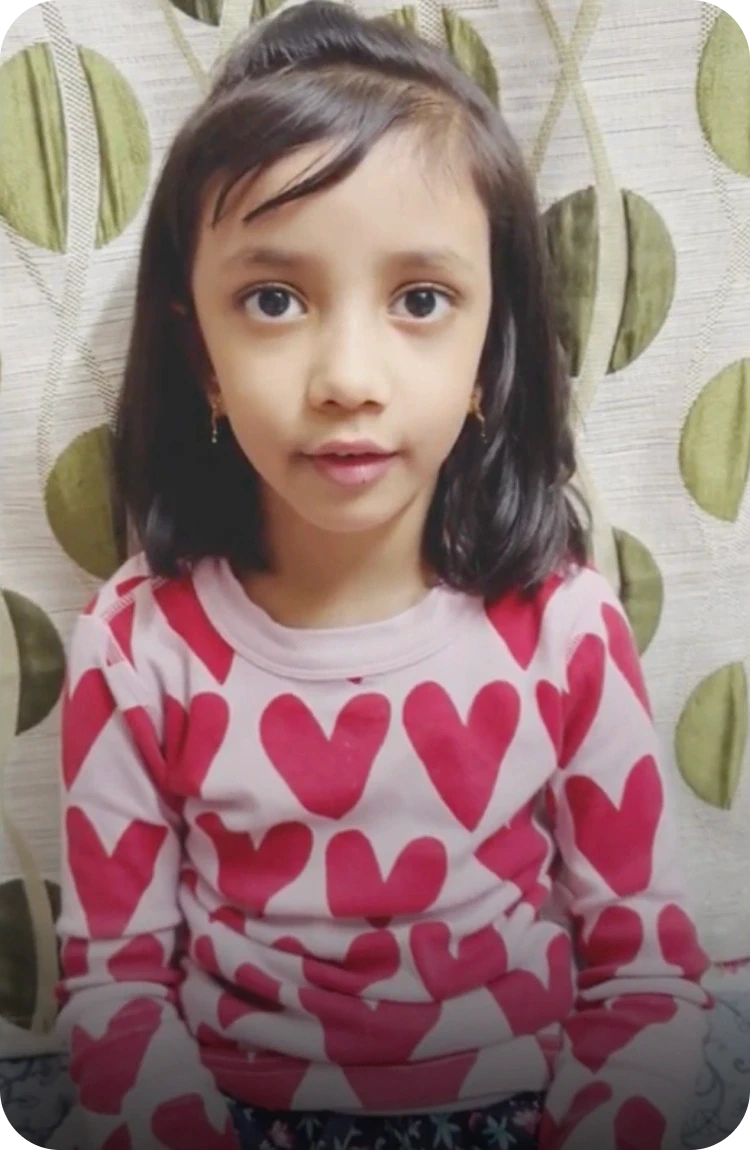
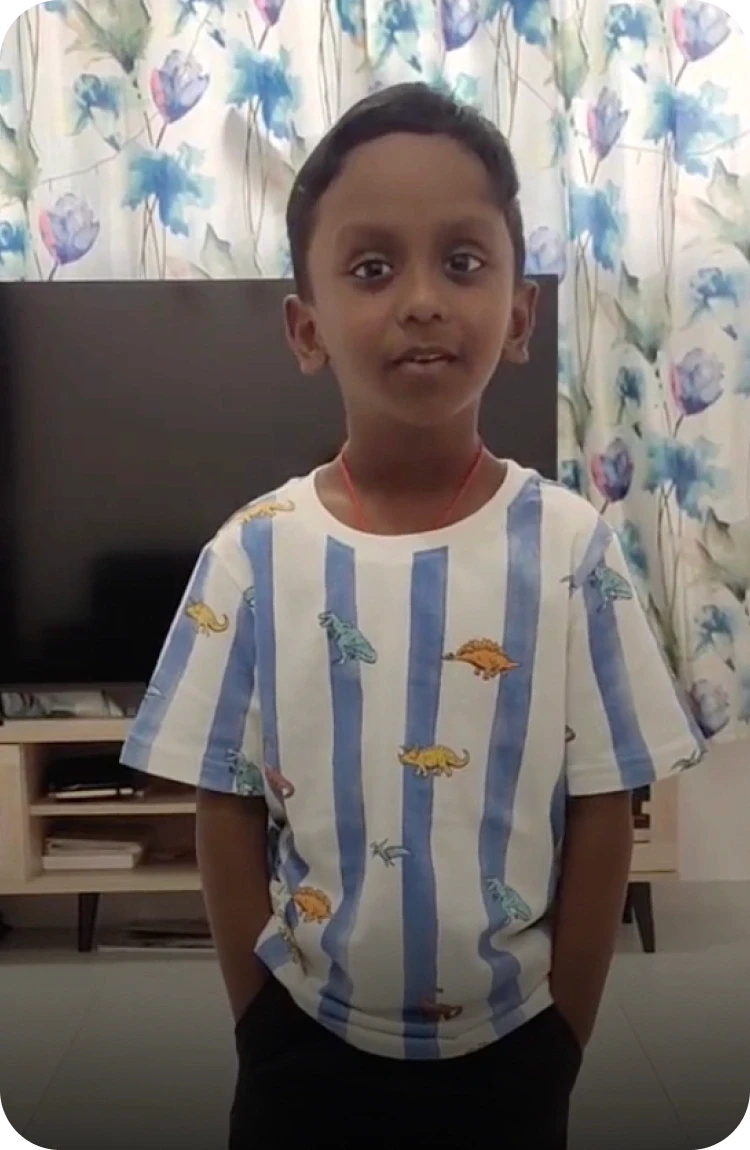
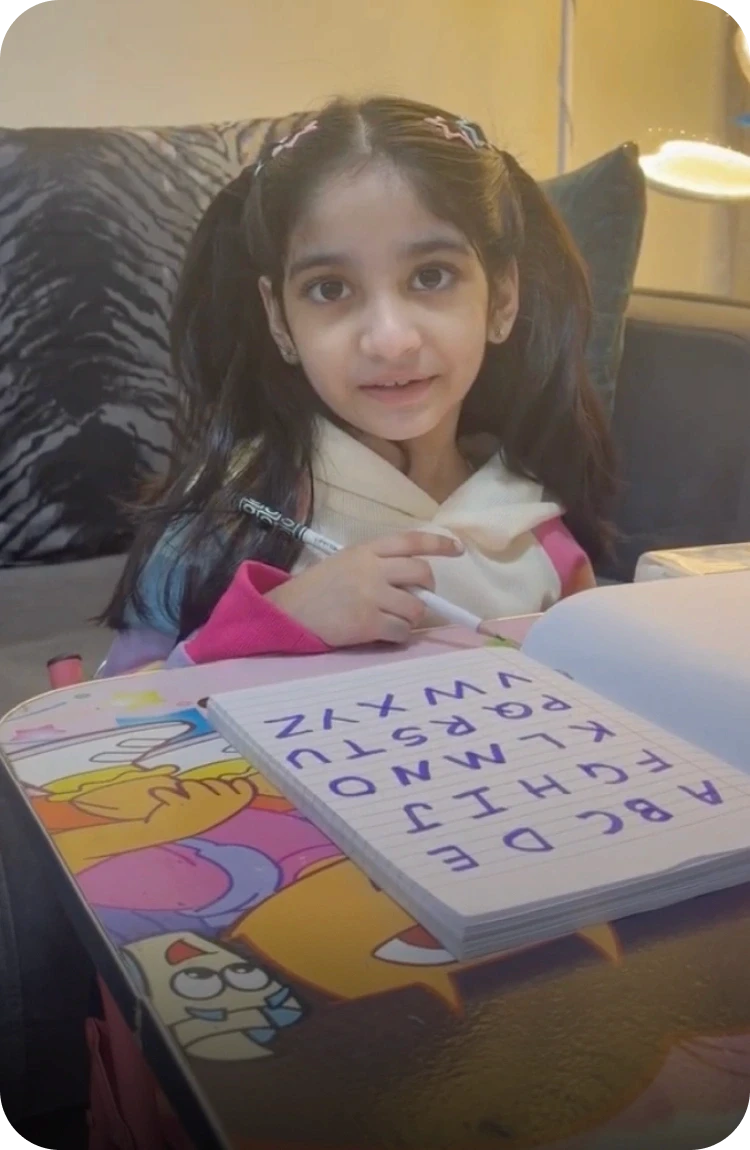
Hear from our learners about how Dreamtime Online turns early childhood into a magical lifelong journey.
Discover what makes online learning different at Dreamtime Learning
Hear from our learners about how Dreamtime Online turns early childhood into a magical lifelong journey.
Hear from the Courageous Parents Who Chose Dreamtime Learning Online School
Hear from our learners about how Dreamtime Online turns early childhood into a magical lifelong journey.
Ready to start your online journey at Dreamtime Learning School
Ready to start your online journey at Dreamtime Learning School
Ready to start your online journey at Dreamtime Learning School
01
What age group is the pre-primary programme for?
Our pre-primary programme is designed for children aged 3 to 6 years. It’s built around the developmental needs of young learners, with a play-based approach that nurtures curiosity, confidence, and foundational skills. As a result, children enter formal schooling emotionally secure, socially confident, and developmentally ready to learn.
02
How does Dreamtime make online learning engaging for young children?
We keep sessions interactive and multi-sensory, using stories, songs, movement, hands-on activities, and guided play. Children learn by doing, not just watching, so they stay engaged, joyful, and actively involved in their learning journey. This builds sustained attention, intrinsic motivation, and a genuine love for learning from an early age.
03
Is the curriculum aligned with Indian and international standards?
Yes, our curriculum is rooted in neuroscience and aligns with NCF, CBSE, ICSE, EYFS, IB, and best practices from Finland, Australia, and New Zealand. This ensures a strong, holistic foundation that prepares children for school and life, not just exams. Children develop globally relevant skills while remaining adaptable to any future schooling system or pathway.
04
How much screen time do children have each day?
Sessions are intentionally short and focused (typically 90–120 minutes), with plenty of offline time for play, rest, and family. We design the day to balance online learning with offline exploration, creativity, and movement, so screen time never feels overwhelming. This supports healthy development, better focus, and positive screen habits without fatigue or overstimulation.
05
How does Dreamtime support social and emotional development online?
Children learn in small groups through live interaction, collaborative activities, mindfulness, and Social Emotional Learning routines. They practice sharing feelings, listening, taking turns, and building positive relationships in a safe & inclusive virtual space. Over time, children become emotionally aware, empathetic, confident communicators who can regulate their emotions and connect meaningfully with others.
06
What role do parents play in the pre-primary programme?
Parents act as learning partners, receiving clear routines, simple home activities, and regular updates. This allows them to support learning, celebrate progress, and actively be part of their child’s educational journey. Children benefit from consistency between home and school, leading to stronger confidence, deeper understanding, and a secure learning environment.
01
What age group is the pre-primary programme for?
Our pre-primary programme is designed for children aged 3 to 6 years. It’s built around the developmental needs of young learners, with a play-based approach that nurtures curiosity, confidence, and foundational skills. As a result, children enter formal schooling emotionally secure, socially confident, and developmentally ready to learn.
02
How does Dreamtime make online learning engaging for young children?
We keep sessions interactive and multi-sensory, using stories, songs, movement, hands-on activities, and guided play. Children learn by doing, not just watching, so they stay engaged, joyful, and actively involved in their learning journey. This builds sustained attention, intrinsic motivation, and a genuine love for learning from an early age.
03
Is the curriculum aligned with Indian and international standards?
Yes, our curriculum is rooted in neuroscience and aligns with NCF, CBSE, ICSE, EYFS, IB, and best practices from Finland, Australia, and New Zealand. This ensures a strong, holistic foundation that prepares children for school and life, not just exams. Children develop globally relevant skills while remaining adaptable to any future schooling system or pathway.
04
How much screen time do children have each day?
Sessions are intentionally short and focused (typically 90–120 minutes), with plenty of offline time for play, rest, and family. We design the day to balance online learning with offline exploration, creativity, and movement, so screen time never feels overwhelming. This supports healthy development, better focus, and positive screen habits without fatigue or overstimulation.
05
How does Dreamtime support social and emotional development online?
Children learn in small groups through live interaction, collaborative activities, mindfulness, and Social Emotional Learning routines. They practice sharing feelings, listening, taking turns, and building positive relationships in a safe & inclusive virtual space. Over time, children become emotionally aware, empathetic, confident communicators who can regulate their emotions and connect meaningfully with others.
06
What role do parents play in the pre-primary programme?
Parents act as learning partners, receiving clear routines, simple home activities, and regular updates. This allows them to support learning, celebrate progress, and actively be part of their child’s educational journey. Children benefit from consistency between home and school, leading to stronger confidence, deeper understanding, and a secure learning environment.



© 2026 Dreamtime Learning School. All rights reserved.




© 2026 Dreamtime Learning School. All rights reserved.