
Grade 1 to 5
Grade 1 to 5
Prepare your child for a fast-changing world
Prepare your child for a fast-changing world
At Dreamtime Learning Online School, learning happens through interdisciplinary projects, real-world case studies, and creative expression. (ages 6-10 years)
At Dreamtime Learning Online School, learning happens through interdisciplinary projects, real-world case studies, and creative expression. (ages 6-10 years)
When Learning Connects, Children Think Differently
When Learning Connects, Children Think Differently
When Learning Connects, Children Think Differently
The real world does not run on isolated subjects. An entrepreneur uses maths, psychology, storytelling and technology. A doctor uses science, empathy and data. A leader depends on communication, ethics and systems thinking.
That’s why our online school teaches learners to connect ideas across disciplines - helping them think holistically, solve real problems, and prepare for the complexity of the modern world.
The real world does not run on isolated subjects. An entrepreneur uses maths, psychology, storytelling and technology. A doctor uses science, empathy and data. A leader depends on communication, ethics and systems thinking.
That’s why our online school teaches learners to connect ideas across disciplines - helping them think holistically, solve real problems, and prepare for the complexity of the modern world.
What Makes Dreamtime Learning Different
What Makes Dreamtime Learning Different
Our learning journeys integrate disciplines instead of separating them. In one theme, learners might:
Our learning journeys integrate disciplines instead of separating them. In one theme, learners might:

Analyse fake vs real news
Analyse fake vs real news

Design business ideas
Design business ideas

Explore branding and market psychology
Explore branding and market psychology

Write persuasively
Write persuasively

Study scientific principles
Study scientific principles

Reflect on values and identity
Reflect on values and identity
This is not “extra.” This is how the world works.
This is not “extra.” This is how the world works.
From Symbols to Meaningful Brand Thinking
From Symbols to Meaningful Brand Thinking
A sample illustrative lesson plan for primary programmes.
Learners explore symbols, patterns, and identity through engaging, real-world contexts like cars and characters.
They decode meaning, connecting visuals to deeper ideas such as strength, speed, values, and personality.
The journey culminates in creating their own brand narratives, building early thinking in communication, design, and expression.
Our learning moves through four stages...
Hook
Hook
Absorb
Absorb
Interact
Interact
Create
Create
The Outcome
The Outcome
When learning is interdisciplinary, engaging, and meaningful:
Retention improves
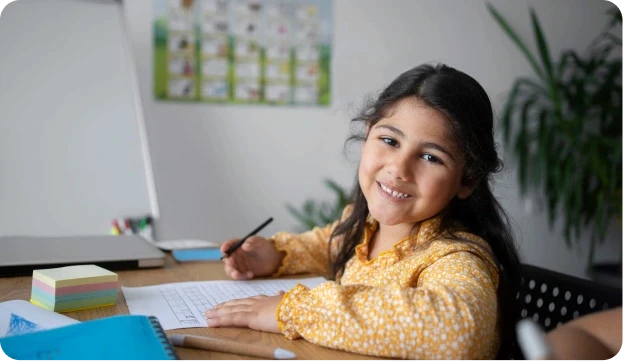
Confidence grows

Thinking deepens
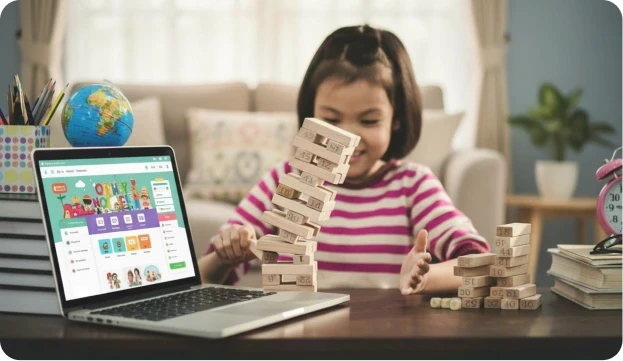
Curiosity becomes natural
Children stop memorising answers. They start connecting ideas. And that is the difference between schooling and mastery.
Children stop memorising answers. They start connecting ideas. And that is the difference between schooling and mastery.
A Space for Young Minds to Explore & Grow
A Space for Young Minds to Explore & Grow
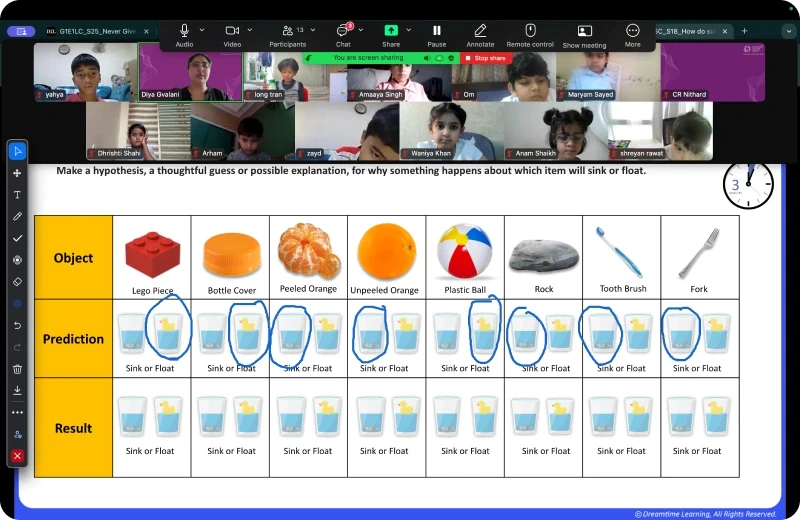
Practice & Expansion
Learners reinforce concepts through regular practice and extend their learning with challenges, projects, and independent exploration. This approach deepens understanding, builds confidence, and encourages curiosity beyond the classroom.
Practice & Expansion
Learners reinforce concepts through regular practice and extend their learning with challenges, projects, and independent exploration. This approach deepens understanding, builds confidence, and encourages curiosity beyond the classroom.
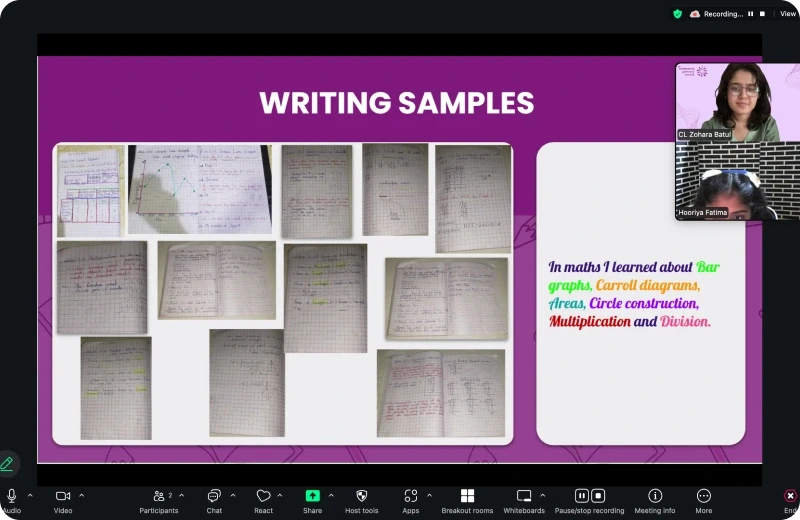
Digital Portfolios & Learner-Driven Symposium
Learners curate digital portfolios and showcase their learning journeys through symposiums, encouraging reflection, ownership, confidence, and authentic assessment.
Digital Portfolios & Learner-Driven Symposium
Learners curate digital portfolios and showcase their learning journeys through symposiums, encouraging reflection, ownership, confidence, and authentic assessment.
From Personal Goals to Global Impact
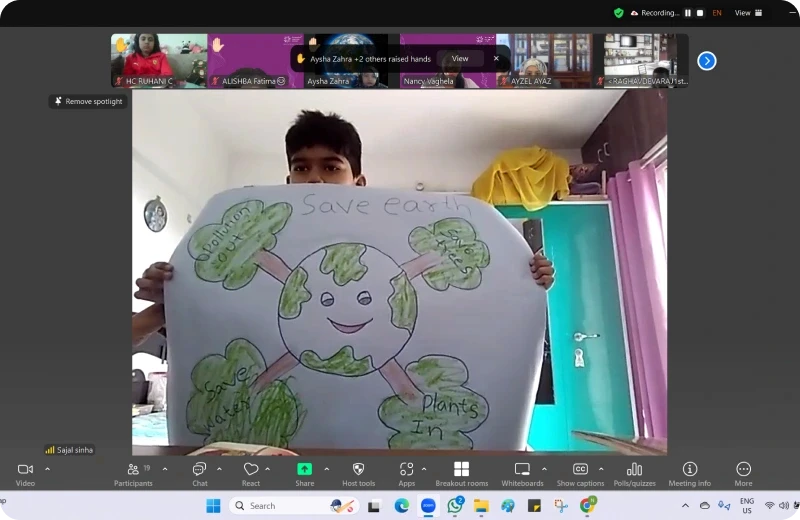
Children begin by creating personal goal plans, then expand their thinking to global goals. They learn how to apply knowledge creatively, see connections across subjects, and experience how their ideas can shape a better world.
From Personal Goals to Global Impact
Children begin by creating personal goal plans, then expand their thinking to global goals. They learn how to apply knowledge creatively, see connections across subjects, and experience how their ideas can shape a better world.
Curiosity at the Forefront of Learning
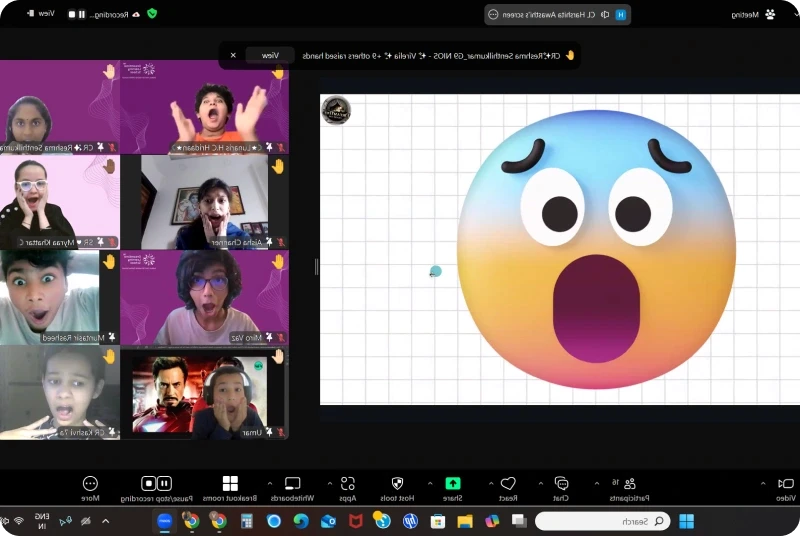
Children build curiosity, observation skills, and a love for asking “why?”, “how?” and “what if?”. They are encouraged to grow a sense of wonder about the world around them.
Curiosity at the Forefront of Learning
Children build curiosity, observation skills, and a love for asking “why?”, “how?” and “what if?”. They are encouraged to grow a sense of wonder about the world around them.
Subjects Covered
Subjects Covered

Grades 1 to 4
Language Capacity, Mathematical Capacity, Social Emotional Capacity, Scientific Capacity, Connect to the World, Technology Capacity.
Grades 1 to 4
Language Capacity, Mathematical Capacity, Social Emotional Capacity, Scientific Capacity, Connect to the World, Technology Capacity.
Grade 5
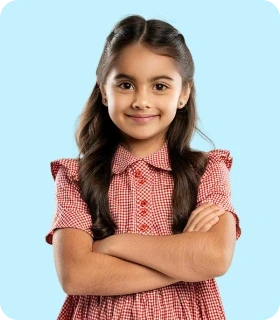
Language Capacity, Mathematical Capacity, Scientific Capacity, Global Studies Capacity, Technology Capacity.
Grade 5
Language Capacity, Mathematical Capacity, Scientific Capacity, Global Studies Capacity, Technology Capacity.
Level-wise Hindi
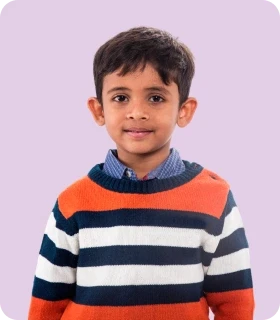
Hindi is taught by proficiency level, not age. Learners build listening, speaking, reading, and writing skills through interactive activities. This builds confidence, fluency, and comfort with the language.
Level-wise Hindi
Hindi is taught by proficiency level, not age. Learners build listening, speaking, reading, and writing skills through interactive activities. This builds confidence, fluency, and comfort with the language.
Variables
Music and movement, Counselling Sessions, Art & Craft are a part of a routine. These help build creative confidence, emotional expression and overall growth.
Variables
Music and movement, Counselling Sessions, Art & Craft are a part of a routine. These help build creative confidence, emotional expression and overall growth.
Nurturing Creativity, Character, and Holistic Growth
Nurturing Creativity, Character, and Holistic Growth





Creative Expression & Growth Mindset
Children express ideas through different modalities such as writing, artwork, storytelling, and performance, blending creativity with critical thinking.
Creative Expression & Growth Mindset
Children express ideas through different modalities such as writing, artwork, storytelling, and performance, blending creativity with critical thinking.

Genius Hour / Passion Projects
Learners get dedicated time to explore their interests, research, create, and present projects. This fosters creativity, critical thinking, independence, and ownership of learning.
Genius Hour / Passion Projects
Learners get dedicated time to explore their interests, research, create, and present projects. This fosters creativity, critical thinking, independence, and ownership of learning.

Novel Writing & Book Launch
From Grade 3 onwards, learners write and publish original novels through the annual Book Launch, including drafting, editing, and digital publishing. This develops writing skills, creativity, perseverance, and pride in authorship.
Novel Writing & Book Launch
From Grade 3 onwards, learners write and publish original novels through the annual Book Launch, including drafting, editing, and digital publishing. This develops writing skills, creativity, perseverance, and pride in authorship.

Practice and Expansion
Learners consolidate and reinforce core concepts through practice, while being purposefully challenged through expansion activities that deepen understanding and propel them to the next level.
Practice and Expansion
Learners consolidate and reinforce core concepts through practice, while being purposefully challenged through expansion activities that deepen understanding and propel them to the next level.

Developing Emotional Intelligence & Building Character
We nurture a growth mindset and character strengths, helping each child see challenges as opportunities and develop resilience, empathy, and self-awareness. The child develops empathy, self-awareness, and responsible behaviour, goal setting, and applying these insights to real-life experiences.
Developing Emotional Intelligence & Building Character
We nurture a growth mindset and character strengths, helping each child see challenges as opportunities and develop resilience, empathy, and self-awareness. The child develops empathy, self-awareness, and responsible behaviour, goal setting, and applying these insights to real-life experiences.

Project and Problem-Based Learning (PBL)
PBL helps learners learn by doing. Through real-world problems and projects, learners apply concepts in meaningful contexts. This strengthens understanding, improves retention, and builds critical thinking, collaboration, and problem-solving skills.
Project and Problem-Based Learning (PBL)
PBL helps learners learn by doing. Through real-world problems and projects, learners apply concepts in meaningful contexts. This strengthens understanding, improves retention, and builds critical thinking, collaboration, and problem-solving skills.

Independent Learning Work (ILW)
ILW encourages learner-led exploration beyond class time. Concepts introduced in lessons extend into weekly independent tasks. Learners build independence, responsibility, and steady self-paced learning habits.
Independent Learning Work (ILW)
ILW encourages learner-led exploration beyond class time. Concepts introduced in lessons extend into weekly independent tasks. Learners build independence, responsibility, and steady self-paced learning habits.

Every Day Practice and Learning (EPL)
EPL develops real-life skills like self-care, organisation, social interaction, and environmental responsibility. Learners practise these daily, building confidence, independence, and social responsibility.
Every Day Practice and Learning (EPL)
EPL develops real-life skills like self-care, organisation, social interaction, and environmental responsibility. Learners practise these daily, building confidence, independence, and social responsibility.
Programme Structure
Programme Structure
Programme Structure
In the Primary Programme, learning is experiential and integrated, allowing children to build understanding through curiosity, exploration, and meaningful connections to their world.
In the Primary Programme, learning is experiential and integrated, allowing children to build understanding through curiosity, exploration, and meaningful connections to their world.

Language Capacity
Language and literature develop together through stories, shared texts, discussion, and expression, helping learners build comprehension, vocabulary, voice, and empathy.
Language Capacity
Language and literature develop together through stories, shared texts, discussion, and expression, helping learners build comprehension, vocabulary, voice, and empathy.

Mathematical Capacity
Mathematics is explored through concrete materials, patterns, visuals, estimation, and real-life contexts, enabling children to make sense of abstract ideas.
Mathematical Capacity
Mathematics is explored through concrete materials, patterns, visuals, estimation, and real-life contexts, enabling children to make sense of abstract ideas.

Scientific Capacity
Learners explore the natural world through observation, questioning, hands-on investigation, simple experiments, and evidence drawn from everyday experiences.
Scientific Capacity
Learners explore the natural world through observation, questioning, hands-on investigation, simple experiments, and evidence drawn from everyday experiences.

Hindi
Hindi is learnt through stories, conversation, songs, and daily contexts, supporting listening, speaking, reading, and meaningful communication
Hindi
Hindi is learnt through stories, conversation, songs, and daily contexts, supporting listening, speaking, reading, and meaningful communication

Connect to the World
Learners engage with people, places, and age-appropriate issues to develop empathy, responsibility, collaboration, and early critical thinking.
Connect to the World
Learners engage with people, places, and age-appropriate issues to develop empathy, responsibility, collaboration, and early critical thinking.

Global Studies Capacity
Learners explore cultures, traditions, and connections to understand similarities, differences, and how communities across the world live and interact.
Global Studies Capacity
Learners explore cultures, traditions, and connections to understand similarities, differences, and how communities across the world live and interact.

Variable
Music and Movement, Art and Design, enriched learning, and technology support creativity, confidence, coordination, and cognitive growth.
Variable
Music and Movement, Art and Design, enriched learning, and technology support creativity, confidence, coordination, and cognitive growth.

Social Emotional Capacity
Social-Emotional Capacity integrates emotional intelligence into the core curriculum, focusing on self-awareness, empathy, and resilience, supported by neuroscience-backed development.
Social Emotional Capacity
Social-Emotional Capacity integrates emotional intelligence into the core curriculum, focusing on self-awareness, empathy, and resilience, supported by neuroscience-backed development.
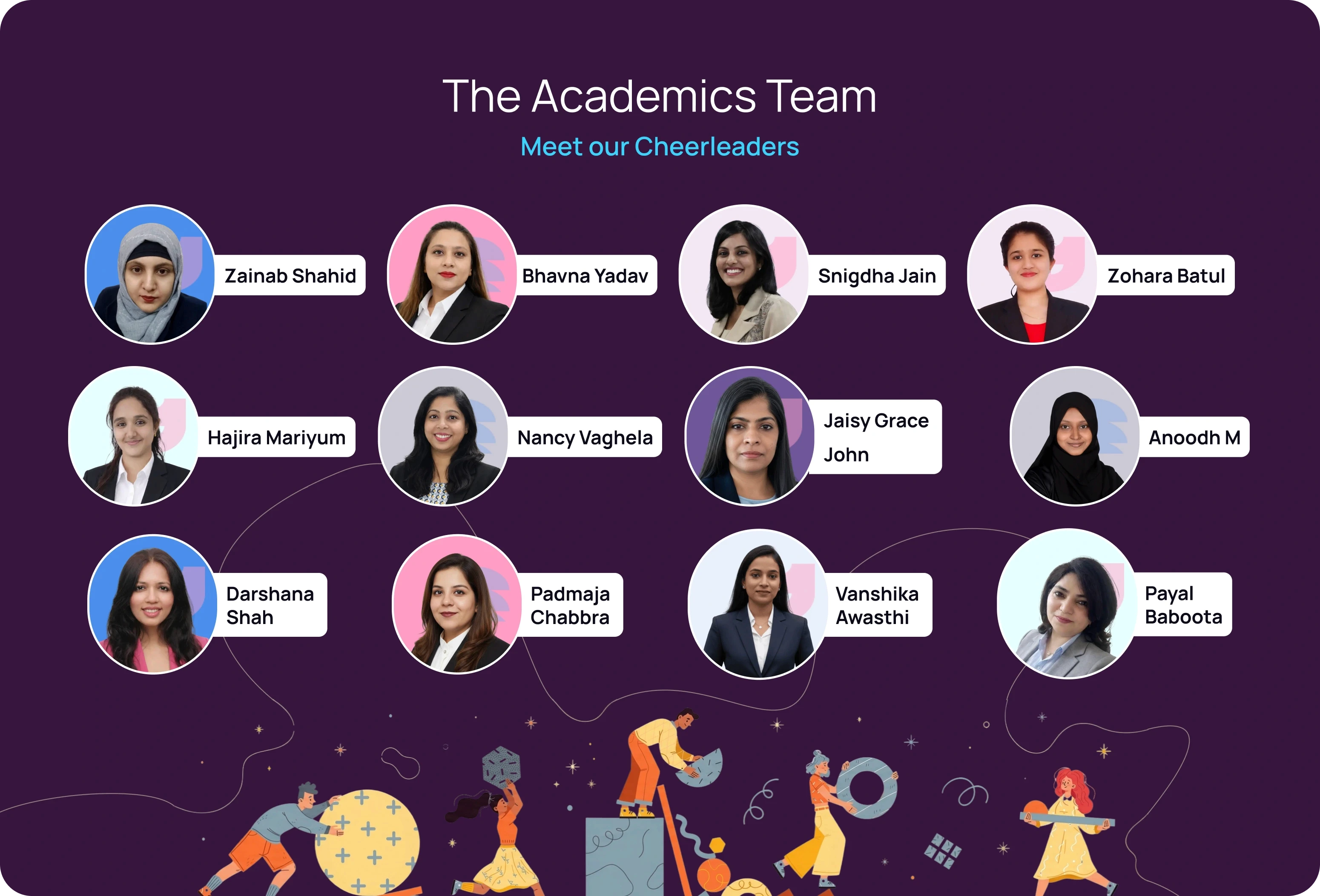

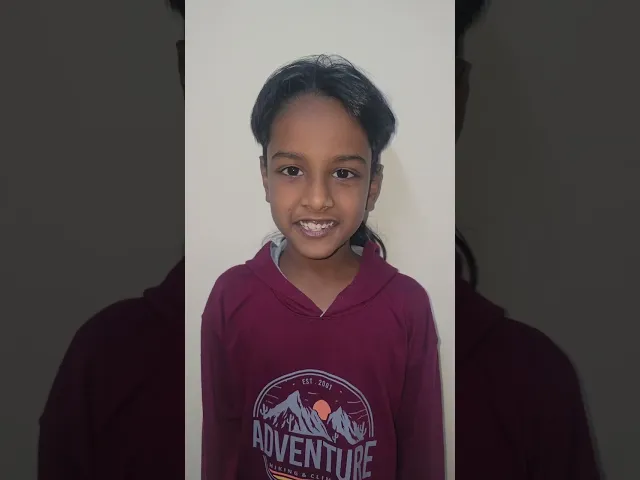
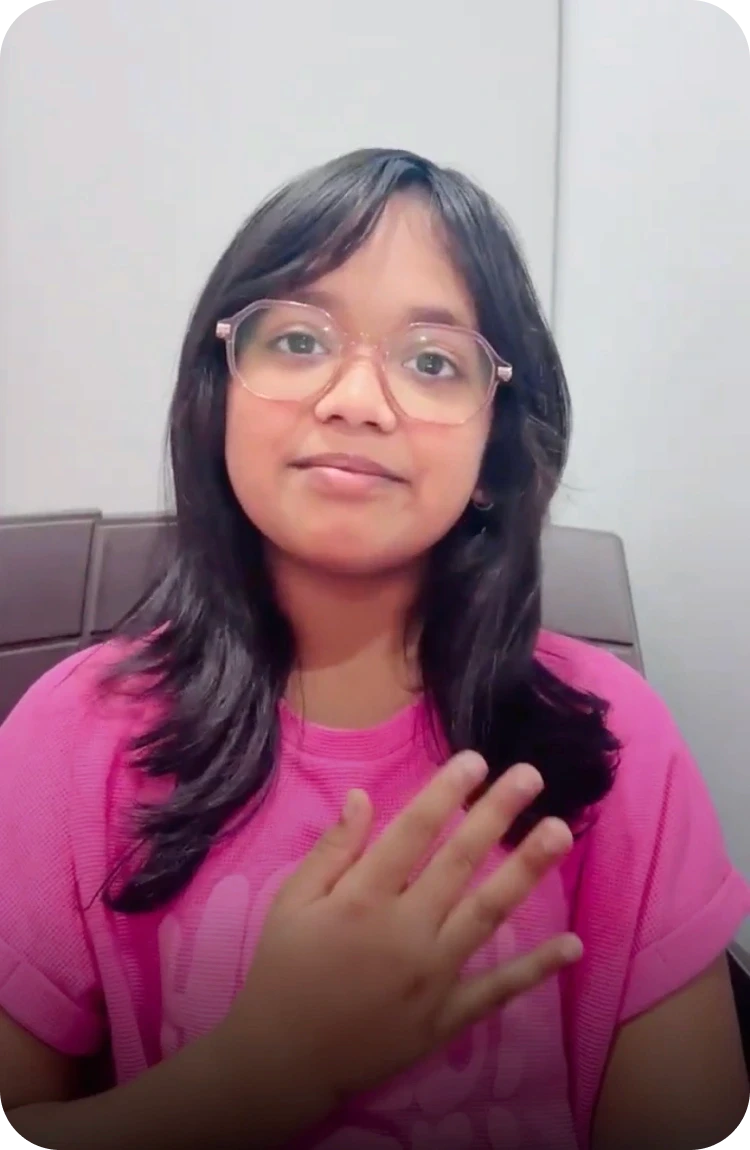
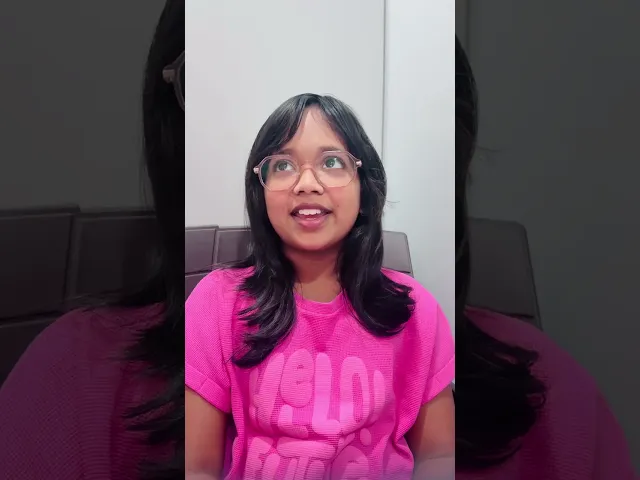
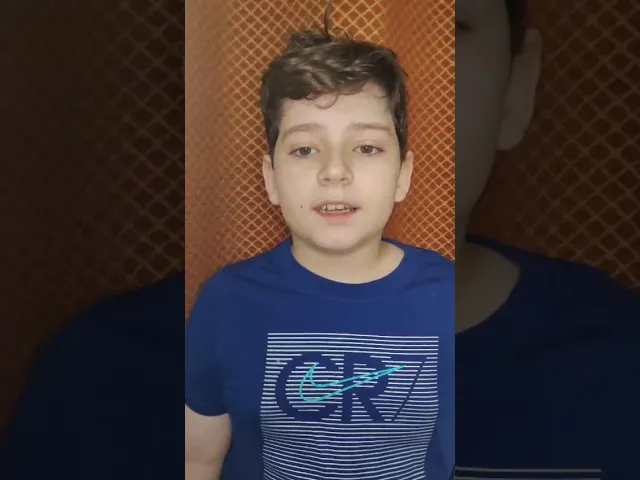
See How Learning Comes Alive at Dreamtime Learning School
Discover the difference made by Dreamtime Learning School through the voices of our learners and families.
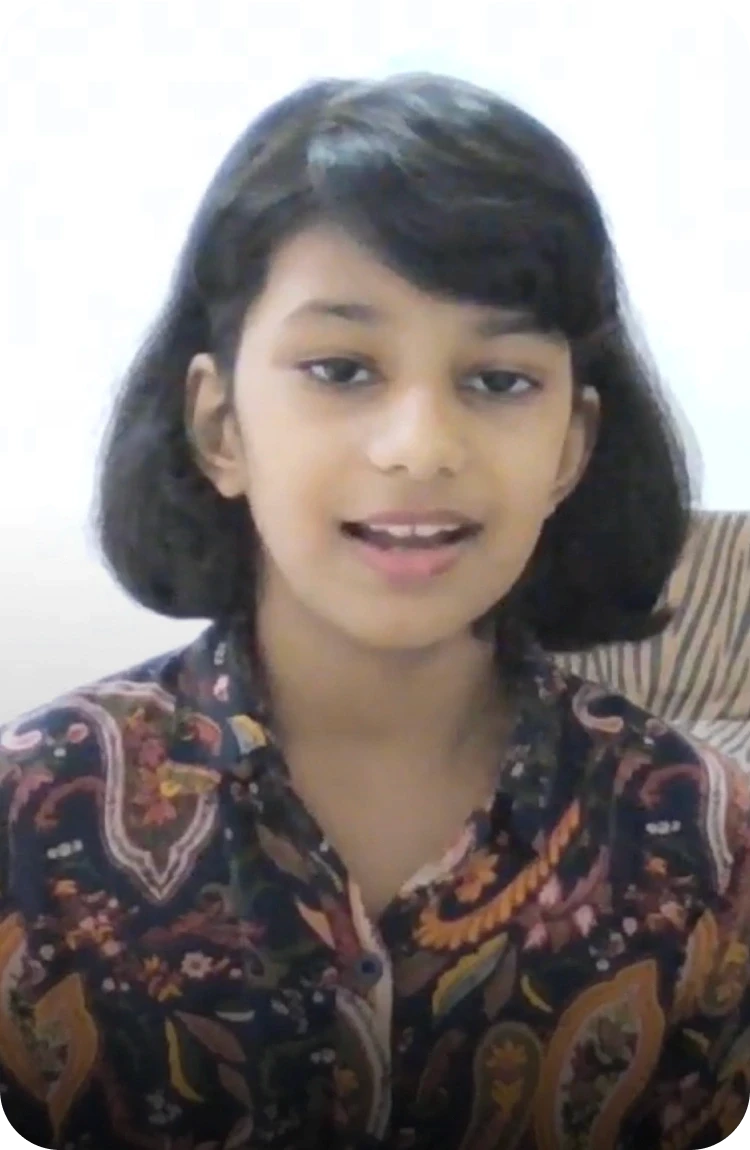

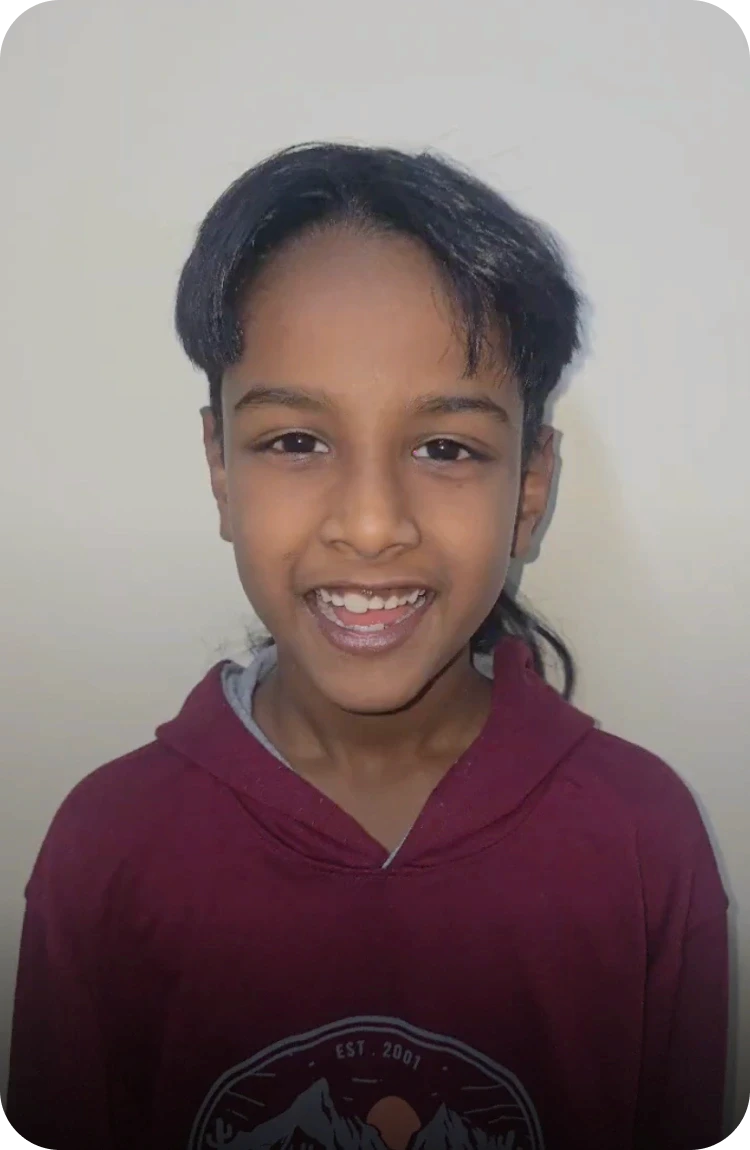

Hear from the Courageous Parents Who Chose Dreamtime Learning Online School
Discover the difference made by Dreamtime Learning School through the voices of our learners and families.
See How Learning Comes Alive at Dreamtime Learning School
Discover the difference made by Dreamtime Learning School through the voices of our learners and families.
Ready to Begin Your Child’s Dreamtime Learning School Journey?
Ready to Begin Your Child’s Dreamtime Learning School Journey?
Ready to Begin Your Child’s Dreamtime Learning School Journey?
Take the first step towards a learning experience that’s joyful, meaningful, and built around your child. Fill in this quick form to explore Dreamtime Learning School.
Take the first step towards a learning experience that’s joyful, meaningful, and built around your child. Fill in this quick form to explore Dreamtime Learning School.
01
What age group is the primary programme for?
Our primary programme is designed for children in Grades 1 to 5 ( ages 6-10). It’s built around the cognitive, social, and emotional needs of growing learners, with an interdisciplinary, capacity-based approach that builds strong academic foundations and life skills.
02
How does Dreamtime Learning School make online learning engaging for primary learners?
We design short, interactive sessions using stories, projects, debates, artwork, and real-world case studies. Children learn by doing - discussing, creating, and applying ideas - so they stay curious, focused, and actively involved in their learning journey.
03
How much screen time do children have each day?
Sessions are intentionally short and focused (typically 2–3 hours per day), with clear breaks and offline time for practical learning, excursions, and family moments. We balance online learning with hands-on exploration, movement, and reflection so screen time feels purposeful, not overwhelming.
04
How does Dreamtime Learning School support social and emotional development online?
Through small groups, live discussions, collaborative projects, mindfulness, and SEL routines, children learn to express feelings, build empathy, take turns, and form positive relationships. They also develop resilience, self‑awareness, and leadership skills in a safe, inclusive virtual space.
05
What role do parents play in the primary programme?
Parents are learning partners. We provide clear routines, simple at‑home activities, and regular updates so families can support learning, reinforce concepts, and celebrate progress together. This partnership builds confidence and consistency, which directly supports long‑term academic and personal success.
06
How does the programme prepare children for future careers and real‑world impact?
Our interdisciplinary, real‑world approach helps children develop critical thinking, creativity, communication, and collaboration - the core skills employers and universities value. Through projects, debates, passion projects, and service learning, they learn to solve problems, lead with empathy, and make a positive impact, building a strong foundation for future careers and meaningful lives.
07
What are the outcomes for families who choose Dreamtime Learning School's primary programme?
Families see more confident children, self‑directed learners with strong conceptual understanding and the ability to apply knowledge creatively. This translates into better academic performance, smoother transitions to higher grades, and a mindset that values lifelong learning, giving children a clear edge in school, competitive exams, and future careers.
01
What age group is the primary programme for?
Our primary programme is designed for children in Grades 1 to 5 ( ages 6-10). It’s built around the cognitive, social, and emotional needs of growing learners, with an interdisciplinary, capacity-based approach that builds strong academic foundations and life skills.
02
How does Dreamtime Learning School make online learning engaging for primary learners?
We design short, interactive sessions using stories, projects, debates, artwork, and real-world case studies. Children learn by doing - discussing, creating, and applying ideas - so they stay curious, focused, and actively involved in their learning journey.
03
How much screen time do children have each day?
Sessions are intentionally short and focused (typically 2–3 hours per day), with clear breaks and offline time for practical learning, excursions, and family moments. We balance online learning with hands-on exploration, movement, and reflection so screen time feels purposeful, not overwhelming.
04
How does Dreamtime Learning School support social and emotional development online?
Through small groups, live discussions, collaborative projects, mindfulness, and SEL routines, children learn to express feelings, build empathy, take turns, and form positive relationships. They also develop resilience, self‑awareness, and leadership skills in a safe, inclusive virtual space.
05
What role do parents play in the primary programme?
Parents are learning partners. We provide clear routines, simple at‑home activities, and regular updates so families can support learning, reinforce concepts, and celebrate progress together. This partnership builds confidence and consistency, which directly supports long‑term academic and personal success.
06
How does the programme prepare children for future careers and real‑world impact?
Our interdisciplinary, real‑world approach helps children develop critical thinking, creativity, communication, and collaboration - the core skills employers and universities value. Through projects, debates, passion projects, and service learning, they learn to solve problems, lead with empathy, and make a positive impact, building a strong foundation for future careers and meaningful lives.
07
What are the outcomes for families who choose Dreamtime Learning School's primary programme?
Families see more confident children, self‑directed learners with strong conceptual understanding and the ability to apply knowledge creatively. This translates into better academic performance, smoother transitions to higher grades, and a mindset that values lifelong learning, giving children a clear edge in school, competitive exams, and future careers.



© 2026 Dreamtime Learning School. All rights reserved.




© 2026 Dreamtime Learning School. All rights reserved.